Why ServiceNow IT Asset Management Matters
Last updated: 2 Sept 2026
59 Views
Most of the companies face the same type of problem where they don’t have an idea of what technology they are using or owning. Over the many years, Laptops, servers, cloud accounts, and software licenses have accumulated in the company, and some of them are outdated, forgotten, or duplicated.
So most businesses can see only a fraction of what they actually have. ServiceNow’s ITAM tool is mainly built for this purpose. It can help solve this problem by maintaining the hardware, software, and cloud data in one place. Taking the ServiceNow Classes is the best way.
ITAM is the practice of keeping a record of your tech from the moment you purchase it to the moment you discard it. Well, it includes planning, buying, setting up, keeping it running, and eventually retiring it. It has been used in the back office. But nowadays there is a whole team of asset management team that reports straight to the top executives. So many leaders have realized that not knowing it can lead to wasted money and legal trouble with software licenses and security problems that hackers can exploit.
To understand this growing complexity, many of the IT professionals prefer to apply in the structured ServiceNow Course to understand the platform properly rather than learning it on the job.
What are the main four parts of it?
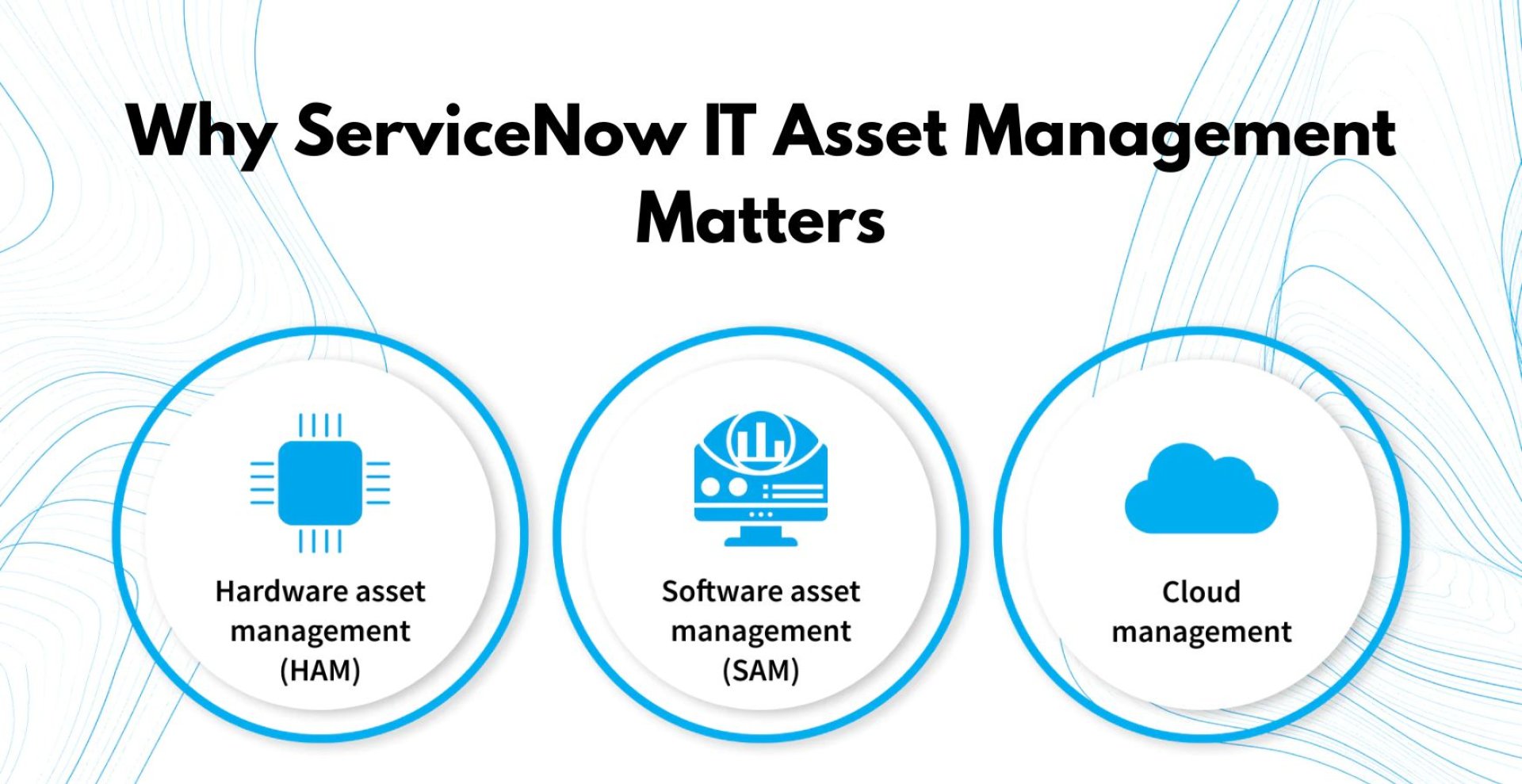
ServiceNow's ITAM isn't one single feature it's a group of tools that work together:
It keeps tabs on physical devices, from the day they're purchased to the day they're scrapped. A smart move here is using barcodes or RFID tags so nothing gets lost or misplaced.
It watches over which software your company owns and whether people are using it the right way. This keeps you out of trouble with vendors who audit your license usage. A good habit is checking regularly that what's installed actually matches what you paid for.
It tracks spending and usage across services like AWS and Azure. Setting up spending alerts and checking for unused resources every month keeps cloud bills from spiraling.
This works closely with software tracking but focuses specifically on what you're allowed to use based on your contracts.
If nobody documents how things are supposed to work, everyone does it differently, and mistakes pile up. A clear, written process keeps things consistent.
You can't make good decisions about your tech until you know exactly what exists. ServiceNow's Discovery tool can scan your systems automatically and build this list for you, connecting each item to the business services and costs tied to it.
Pick the biggest problems first and roll out changes gradually. Trying to overhaul everything in one go usually backfires.
Asset tracking works best when it's linked to your other IT systems, like your service desk and configuration records, instead of running as a standalone system nobody else uses.
Manually entering data leads to errors one software title might show up spelled ten different ways in your records. AI can spot these duplicates and merge them automatically. It can also catch "ghost assets," items still listed in your system that don't actually exist anymore.
Well, a regular review can help you understand the wasted spending before this gets added to the real problem.
This is about finding out where you are now, deciding where you want to be, and building a plan to fill that gap, and keep checking everything so you don't go backward.
When set up properly, ITAM pays off in real ways. Built-in AI features help spot software licenses nobody's using and flag unusual patterns before they become expensive problems. This directly cuts costs by avoiding wasted licenses and helps companies pass vendor audits without a scramble. When asset data connects smoothly with the service desk as well as system records, IT problems can be solved faster, and new employees can get set up with the right tools without any delays.
So the dependency of your success is not based on just buying the software. Well, this comes mainly from writing clear processes, understanding what you own, and treating this as a continuous process rather than just single time clean up. So companies that can perform this can turn asset tracking from boring work to an advantage.
As more companies invest in ServiceNow, the demand for professionals who understand IT Asset Management keeps growing. Organizations are in search of people who have an idea of the platform’s interface. Also, they are looking for people who have an understanding of everything, such as how hardware, software, and cloud assets tie into cost control, compliance as well as security. So applying for the right ServiceNow Administrator Course will help you go through the menus and teach you about how the asset workflows may connect with the rest of the business, how audits actually work, and how you can avoid the common mistakes.
Applying for in-class training can benefit one in several ways. ServiceNow Training in Hyderabad is a great example of this. As this city has a number of reputed institutions offering training there can help you get internship opportunities as well.
ITAM is one of the most practical modules to focus on early. It's hands-on, it's in demand, and it gives you a clear way to show real value to an employer, whether that's cutting license costs, passing an audit smoothly, or simply giving a company visibility into assets it didn't know it had. So learning ServiceNow is one of the best ways to understand why this matters a lot.
So most businesses can see only a fraction of what they actually have. ServiceNow’s ITAM tool is mainly built for this purpose. It can help solve this problem by maintaining the hardware, software, and cloud data in one place. Taking the ServiceNow Classes is the best way.
Why This Matters More Than Before
ITAM is the practice of keeping a record of your tech from the moment you purchase it to the moment you discard it. Well, it includes planning, buying, setting up, keeping it running, and eventually retiring it. It has been used in the back office. But nowadays there is a whole team of asset management team that reports straight to the top executives. So many leaders have realized that not knowing it can lead to wasted money and legal trouble with software licenses and security problems that hackers can exploit.
To understand this growing complexity, many of the IT professionals prefer to apply in the structured ServiceNow Course to understand the platform properly rather than learning it on the job.
What are the main four parts of it?
ServiceNow's ITAM isn't one single feature it's a group of tools that work together:
- Hardware Asset Management
It keeps tabs on physical devices, from the day they're purchased to the day they're scrapped. A smart move here is using barcodes or RFID tags so nothing gets lost or misplaced.
- Software Asset Management
It watches over which software your company owns and whether people are using it the right way. This keeps you out of trouble with vendors who audit your license usage. A good habit is checking regularly that what's installed actually matches what you paid for.
- Cloud Management
It tracks spending and usage across services like AWS and Azure. Setting up spending alerts and checking for unused resources every month keeps cloud bills from spiraling.
- License Management
This works closely with software tracking but focuses specifically on what you're allowed to use based on your contracts.
Simple Steps That Actually Work
Write down your process.
If nobody documents how things are supposed to work, everyone does it differently, and mistakes pile up. A clear, written process keeps things consistent.
Count what you have first.
You can't make good decisions about your tech until you know exactly what exists. ServiceNow's Discovery tool can scan your systems automatically and build this list for you, connecting each item to the business services and costs tied to it.
Don't try to fix everything at once.
Pick the biggest problems first and roll out changes gradually. Trying to overhaul everything in one go usually backfires.
Connect it to everything else.
Asset tracking works best when it's linked to your other IT systems, like your service desk and configuration records, instead of running as a standalone system nobody else uses.
Let AI clean up your data.
Manually entering data leads to errors one software title might show up spelled ten different ways in your records. AI can spot these duplicates and merge them automatically. It can also catch "ghost assets," items still listed in your system that don't actually exist anymore.
Check your cloud spending monthly.
Well, a regular review can help you understand the wasted spending before this gets added to the real problem.
Keep improving.
This is about finding out where you are now, deciding where you want to be, and building a plan to fill that gap, and keep checking everything so you don't go backward.
What You Get Out of It
When set up properly, ITAM pays off in real ways. Built-in AI features help spot software licenses nobody's using and flag unusual patterns before they become expensive problems. This directly cuts costs by avoiding wasted licenses and helps companies pass vendor audits without a scramble. When asset data connects smoothly with the service desk as well as system records, IT problems can be solved faster, and new employees can get set up with the right tools without any delays.
So the dependency of your success is not based on just buying the software. Well, this comes mainly from writing clear processes, understanding what you own, and treating this as a continuous process rather than just single time clean up. So companies that can perform this can turn asset tracking from boring work to an advantage.
Building a Career Around ITAM
As more companies invest in ServiceNow, the demand for professionals who understand IT Asset Management keeps growing. Organizations are in search of people who have an idea of the platform’s interface. Also, they are looking for people who have an understanding of everything, such as how hardware, software, and cloud assets tie into cost control, compliance as well as security. So applying for the right ServiceNow Administrator Course will help you go through the menus and teach you about how the asset workflows may connect with the rest of the business, how audits actually work, and how you can avoid the common mistakes.
Why Taking In-Class Training Matters?
Applying for in-class training can benefit one in several ways. ServiceNow Training in Hyderabad is a great example of this. As this city has a number of reputed institutions offering training there can help you get internship opportunities as well.
Conclusion:
ITAM is one of the most practical modules to focus on early. It's hands-on, it's in demand, and it gives you a clear way to show real value to an employer, whether that's cutting license costs, passing an audit smoothly, or simply giving a company visibility into assets it didn't know it had. So learning ServiceNow is one of the best ways to understand why this matters a lot.
Related Content

RAG applications require more than AI models. They depend on well-structured data pipelines, indexing strategies, metadata, security, monitoring, and reliable infrastructure.
20 Aug 2026

Delta Live Tables is useful for data pipelines that need to be reliable, scalable, and easy to operate. Data processing logic, pipeline management, quality checks, etc. combine into one environment.
20 Aug 2026

Building infrastructure sized for your busiest hour means you're overpaying every other hour of the day. Auto Scaling adjusts capacity based on real demand.
19 Aug 2026
